
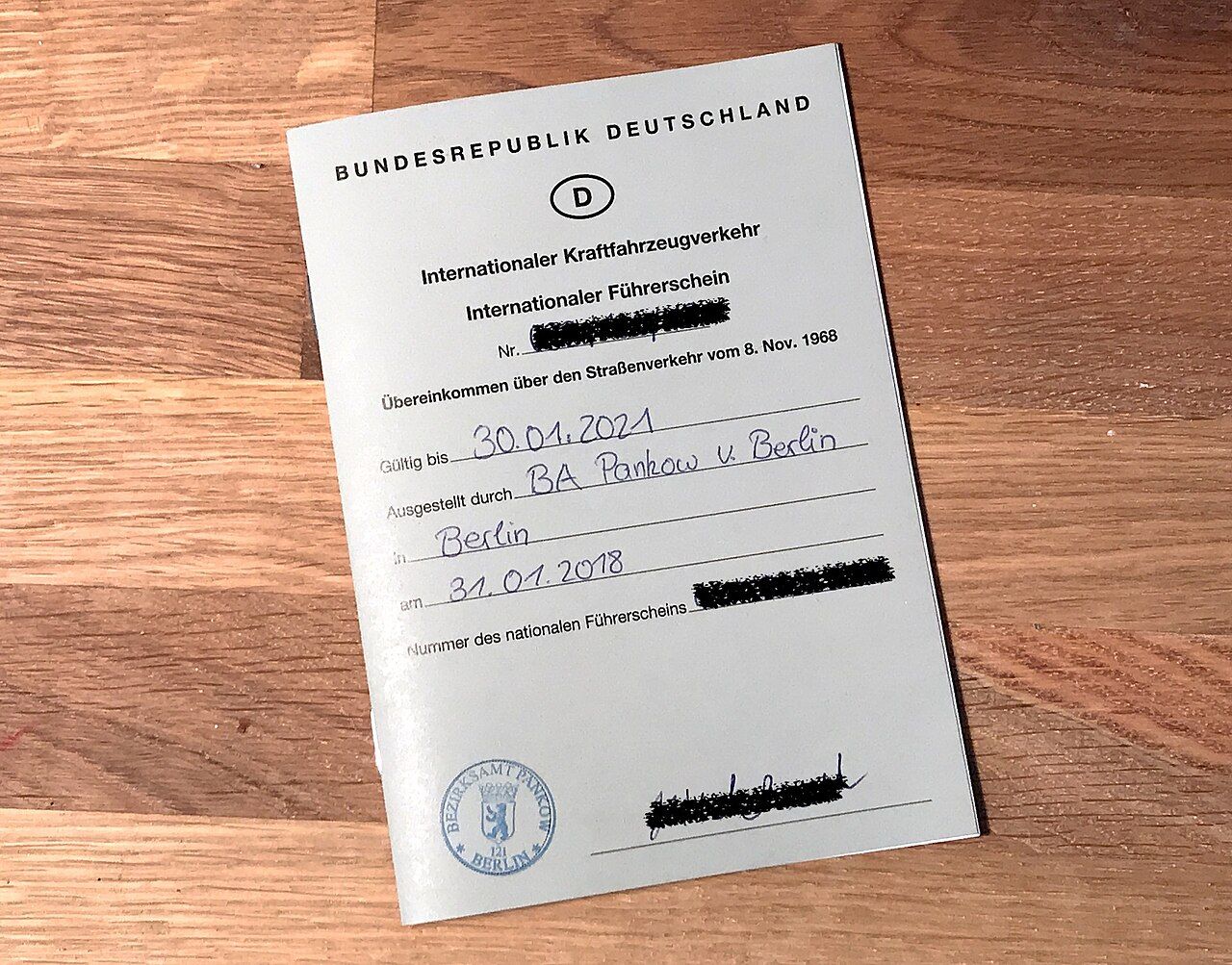
Documents are the least exciting part of travel planning and the part most likely to stop a trip at the first hurdle. Airlines can refuse to board passengers who lack the right papers, and border officials can refuse entry. The good news is that almost every document problem can be avoided with a careful check well before you leave.
Passport validity
Many travellers assume a passport is fine until the expiry date printed in it. That is not always true. Countries set their own rules, and they can include:
- A requirement that the passport remains valid for a set period after you arrive or after you plan to leave.
- A requirement that the passport was issued within a set number of years before the date you enter, which affects some older passports even if they have not expired.
- A requirement for one or more blank pages for stamps.
Rules for entering the Schengen area, for example, include conditions on both issue date and validity for some non-EU passport holders. Renew early if you are close to any limit. Renewal can take weeks, longer at busy times of year.
Check the condition of your passport too. A damaged passport, with a torn page or water damage, may be refused.
Visas and travel authorisations
A visa is permission to enter a country, usually applied for in advance. Many travellers can visit some countries without a visa for short stays, but a growing number of countries now require visa-free visitors to apply online for an electronic travel authorisation before they travel. The United States, Canada and the UK all have such schemes for many visitors, and the EU has been introducing new digital border systems of its own.
A few points to keep in mind:
- Apply only through the official government website. Unofficial sites may charge extra fees for the same thing.
- Check whether transit through a country needs a visa or authorisation.
- Note the expiry date of any authorisation and the conditions attached.
- Some countries require proof of onward travel, accommodation or funds.
Health documents can be entry requirements too. A yellow fever certificate, for example, is required by some countries; the guide to vaccinations and the travel clinic explains how that works.
Related guide Lost or stolen passport abroad: the first 24 hours
Driving abroad
If you plan to drive, check whether your licence is accepted on its own. Some countries require an International Driving Permit, carried alongside your licence. There is more than one type, based on different international conventions, and a country may require a particular one.
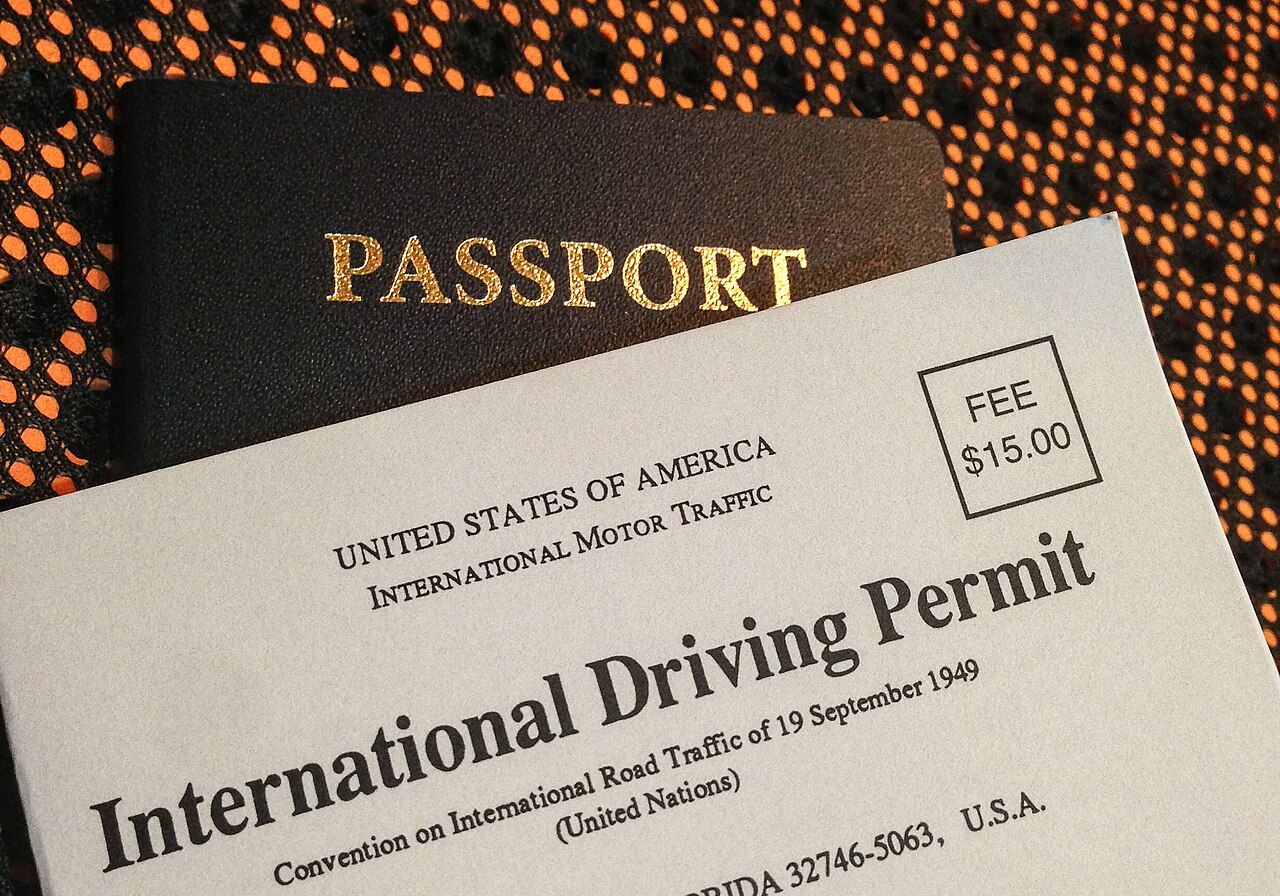
Car hire companies may have their own rules on top of the law, such as age limits or extra documents. Also check that your driving licence will not expire during the trip, and carry the licence itself, not a copy. If you are taking your own car, you may need the registration document, insurance details and a country identifier.
Copies, on paper and in the cloud
Copies of your documents are what make a loss abroad manageable. Make copies of:
- The photo page of your passport, and any visas.
- Your driving licence and any International Driving Permit.
- Your travel insurance certificate and the emergency assistance number.
- Your health card, prescriptions and a list of medicines.
- Booking confirmations for flights and accommodation.
Keep one set of paper copies in a different bag from the originals, and a digital set stored securely, for example in an encrypted folder or an account protected by a strong password and two-step login. Leave another copy with someone you trust at home. If your passport goes missing, these copies speed up every step described in the guide to a lost or stolen passport.
Avoid emailing scans of documents to yourself unencrypted, or storing them on a shared device. Update the copies whenever a document is renewed, so the set you rely on in an emergency is never out of date.
Cards and money
Carry at least two payment cards, kept in different places. Note the emergency phone numbers for each card provider and store them separately from the cards. Tell your bank you are travelling if it asks customers to. A small amount of local cash for arrival is useful, as card terminals are not universal everywhere.
The guide to common travel scams covers ways to keep cards safe from skimming and theft.
Contacts to save
- Your country's embassy or consulate at each destination.
- The local emergency number for each country you visit.
- Your travel insurer's emergency assistance line and policy number.
- Card providers' emergency numbers.
- A family member or friend at home, written down as well as stored in your phone.
- Your accommodation's address in the local language, for taxis and emergency calls.
Store these in your phone and on a small paper card in your wallet, since phones can be lost or run out of battery. Health cards and insurance details belong on the same list; the guide to health cards in Europe explains the cards many European travellers carry.
An evening spent on this checklist before departure is time well spent. With valid documents, good copies and the right numbers to hand, you are ready for nearly anything a border or a bad day can bring.
Pictures: Nicolas Bouliane (CC0); Tony Webster from Minneapolis, Minnesota, United States (CC BY 2.0).