
Theft from travellers is rarely dramatic. It usually happens in a moment: a bag slit open on a crowded platform, a phone lifted from a cafe table, a card copied at a cash machine. Scams work in a similar way, relying on a distraction, a friendly face or a sense of urgency. Knowing the common patterns is the best protection, and it allows you to relax rather than spend the trip on edge.
This guide describes common tricks in general terms. Specific scams come and go, and local police and foreign-office pages often publish warnings for particular cities.
Where pickpockets work
Pickpockets go where crowds and distraction meet. In many cities that means:
- Busy metro trains and platforms, especially at doors and on escalators.
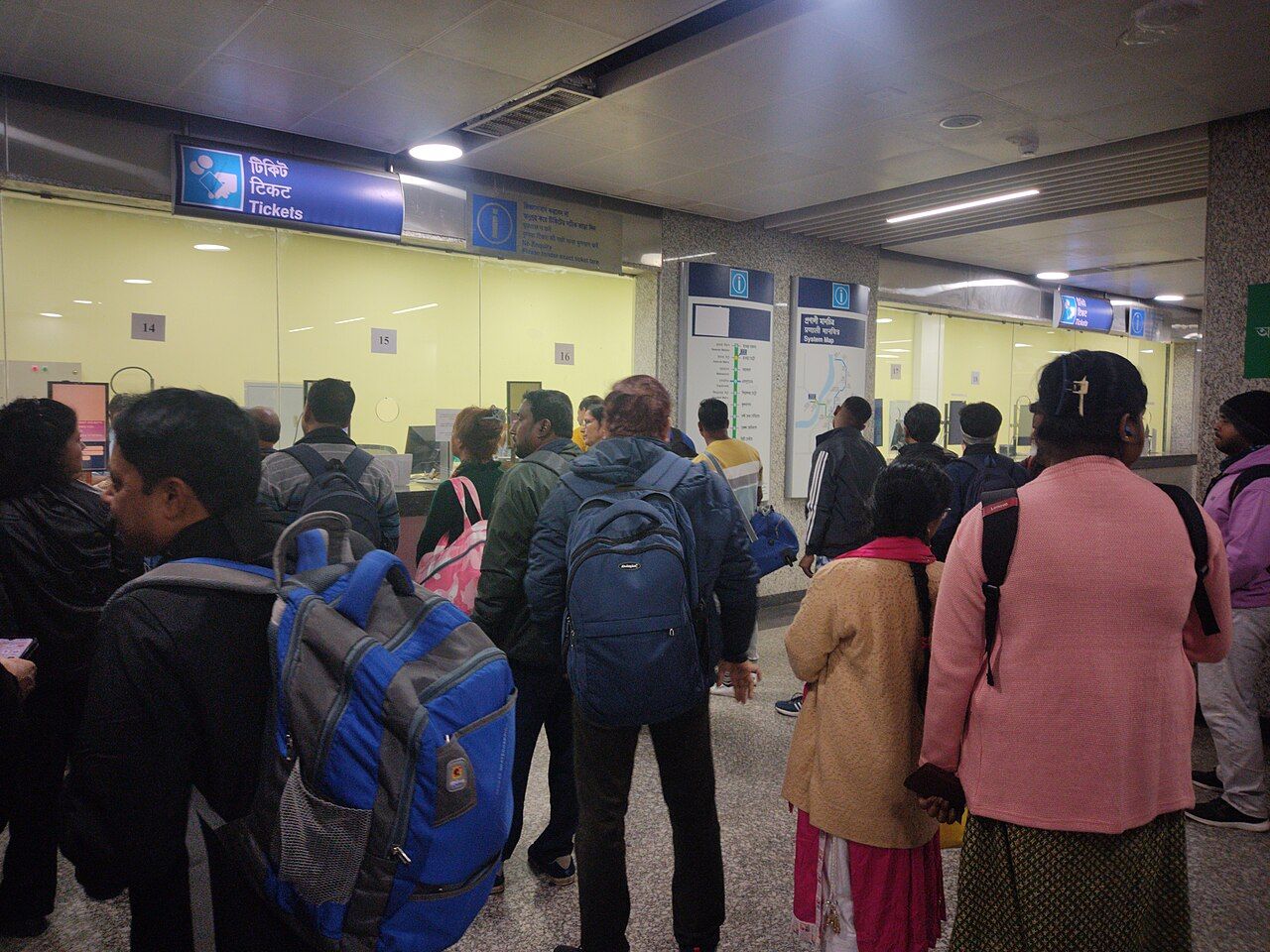
- Ticket halls and queues, where people have wallets and phones in their hands.
- Famous sights, viewpoints and squares where visitors look up rather than around.
- Crowded buses on routes popular with visitors.
- Station concourses, and the moment of getting on or off a train with luggage.
- Pavement cafe tables, where phones and bags sit within reach of passers-by.
Simple habits help: carry a bag that zips and wear it in front of you in crowds; keep phones and wallets in front or inside pockets; do not hang a bag on the back of a chair; and be most alert at the moments you are juggling tickets, maps and luggage.
Distraction tricks
Many thefts are set up by a distraction. Common examples include:
- Someone "accidentally" spilling something on you and helping to clean it up.
- A petition or survey held under your nose while hands go into your bag.
- A friendship bracelet tied on your wrist, followed by a demand for payment.
- A dropped ring or wallet "found" next to you, leading to a request for money.
- A sudden argument or commotion that draws everyone's attention.
- Help offered at a ticket machine, which ends with a missing card.
Related guide Lost or stolen passport abroad: the first 24 hours
The common thread is close contact and urgency. A polite, firm "no, thank you" and a step away is usually enough. You do not owe anyone a conversation. If you are travelling with others, agree beforehand that one of you keeps watch on the bags whenever a stranger comes close or a sudden fuss breaks out nearby.
Card skimming and cash machines
Card skimming copies your card details, sometimes with a device fitted over a cash machine's slot, and a hidden camera or a person watching captures your PIN. To reduce the risk:
- Use cash machines inside banks or in well-lit, busy places.
- Check the slot and keypad for anything loose or unusual.
- Cover the keypad with your hand when entering your PIN.
- Do not accept help from strangers at the machine.
- Keep an eye on your account and set up alerts if your bank offers them.
When paying by card, keep it in sight. If a machine is asking whether to charge you in your home currency or the local one, read the screen carefully before you choose. Carry two cards in different places, so a single loss does not leave you with nothing.
Taxis and transport tricks
Unofficial taxis at airports and stations are a long-standing problem. Drivers may overcharge, take long routes or, rarely, put passengers in danger. Use official taxi ranks, pre-arranged transfers or reputable booked services, and agree the fare or check the meter is running before you set off.
Late at night, or when you arrive somewhere unfamiliar, it is worth knowing in advance how to reach your accommodation: the official taxi rank, the train or bus route, or a transfer arranged beforehand. Having a plan makes it easier to walk past anyone pressing an offer on you.
Be wary of anyone who approaches you inside an arrivals hall offering a ride, or who tells you that your hotel is closed, the trains are on strike or the sight you want is shut today and offers to take you somewhere better. These stories are a classic way of steering visitors towards an overpriced shop or tour.
What to report, and where
If something is stolen, report it to the local police as soon as you can and ask for a written report or reference number. Travel insurers usually need a police report for theft claims, often made within a short time of discovering the loss. In some cities, tourist police stations handle reports from visitors.
Then deal with the rest:
- Call your card providers to cancel stolen cards.
- Lock or wipe stolen phones and change important passwords.
- Contact your embassy or consulate if your passport was taken; the guide to a lost or stolen passport explains the steps.
- Tell your travel insurer and ask what they need.
Many policies exclude belongings left unattended or valuables not kept with you. The guide to what travel insurance usually covers explains how the baggage section usually works.
Preparing before you leave
Good preparation at home turns a theft from a crisis into an inconvenience. Keep copies of your passport and cards' emergency numbers in a separate place, and store digital copies securely online; the documents checklist covers this. Leave valuables you do not need at home. Use a hotel safe for passports and spare cards when you do not need them.
Most people you meet abroad are honest and many go out of their way to help. A few sensible habits let you enjoy that, and keep the rare dishonest exception from spoiling the trip.
Pictures: Projjalm (CC0).