

Across the European Union, eligible travellers can use a health card to get state healthcare during a temporary stay. For people insured in an EU country, and in Iceland, Liechtenstein, Norway or Switzerland, that card is the European Health Insurance Card, or EHIC. For many UK residents, it is now the UK Global Health Insurance Card, or GHIC, which replaced new UK-issued EHICs after the UK left the EU. Some UK residents still hold a UK EHIC, which remains usable until its expiry date for those entitled to it.
This guide explains in general what these cards do and do not do.
What the cards usually give you
The basic idea is simple. If you fall ill or have an accident during a temporary stay in a country where your card is valid, you can get medically necessary state healthcare on the same terms as people who live there. "Medically necessary" usually means care that cannot reasonably wait until you return home, judged by the treating doctor in light of how long you are staying.
In practice that often includes:
- Emergency treatment and visits to a state hospital's emergency department.
- Treatment from a doctor working within the state system.
- Care for an existing or chronic condition that needs attention while you are away.
- Routine maternity care, as long as the main reason for the trip was not to give birth.
Some treatments, such as kidney dialysis or oxygen therapy, usually need to be arranged in advance with the treating centre. If that applies to you, speak to your doctor and the issuing service well before the trip.
The same terms as residents, which is not always free
A point that surprises many travellers is that state healthcare is not free everywhere. In some countries residents pay a share of the cost of a doctor's visit, a hospital stay or prescriptions, and a card holder pays that same share. In others, you may pay up front and claim some of the money back, either locally or after you return home.
Prescriptions follow the local rules too. You usually pay what residents pay, which may be a flat charge, a percentage, or the full price. Keep receipts in case any of it can be reclaimed.
The card only works within the state system. Many clinics in holiday areas, particularly in ski resorts and some coastal towns, are private. If you are taken to a private clinic, your card is unlikely to help and you may be asked for a card payment or proof of insurance before you are treated. When you need care, ask clearly for a state hospital or a doctor who accepts the card.
A health card and a travel insurance policy do different jobs, and most travellers in Europe are best served by carrying both.
What the cards do not cover
The cards fill a specific gap. They are not travel insurance, and the official guidance in both the UK and the EU says so plainly. The main gaps are:
- Getting home. Repatriation to your home country after illness or injury is not covered, and it can be very expensive.
- Private treatment. As above, private clinics and hospitals are outside the scheme.
- Mountain rescue. Rescue from mountains and ski slopes is generally not covered.
- Planned treatment. Travelling specifically to get treatment is outside the purpose of the card; there are separate routes for that.
- Cruises. Treatment in a ship's medical centre is usually private and outside the scheme.
- Non-medical costs. Cancellations, lost belongings, extra accommodation and travel costs for a companion are matters for travel insurance, not the card.
A health card and a travel insurance policy do different jobs, and most travellers in Europe are best served by carrying both. Many travel insurers also take the card into account, and some may waive or reduce the excess on a medical claim if the card was used to cut the cost of treatment. Look for this in your policy document; the guide to what travel insurance usually covers explains how the medical section usually works.
Related guide A medical emergency abroad: what to do
Getting a card, and keeping it current
Cards are issued by the official health service or national health insurer in your home country. For UK residents that means the NHS, and for people insured in an EU country it means the body that handles their national health insurance. The official application routes do not charge for the card itself. Some unofficial websites offer to apply on your behalf for a fee; they add nothing that the official route does not provide.
Each family member usually needs a card of their own, including children. Cards expire, and an expired card will not help at a hospital desk. Check the expiry date on every card in the household well before you travel, since a new card takes time to arrive.
If you need treatment and your card has not arrived, or is lost, the issuing service can often provide a temporary document known as a Provisional Replacement Certificate. Contact them as soon as you can if this happens.
Which countries the cards cover
An EHIC issued by an EU country is generally valid across the EU, as well as in Iceland, Liechtenstein, Norway, Switzerland and the UK. The UK GHIC is generally valid in EU countries. Arrangements for UK residents in Iceland, Liechtenstein, Norway and Switzerland are different and depend on factors such as nationality, so read the official guidance on those countries before you rely on a card there.
Outside these areas, the cards do not apply. Some countries, including Australia and New Zealand, have separate reciprocal healthcare arrangements with the UK for some visitors, but these are limited and are no substitute for insurance.
Using the card on the day
If you fall ill in Europe, the first step is the same as anywhere: get help. In an emergency, 112 reaches the emergency services in every EU country. The guide to a medical emergency abroad explains the steps that follow, including when to call your insurer's assistance line.
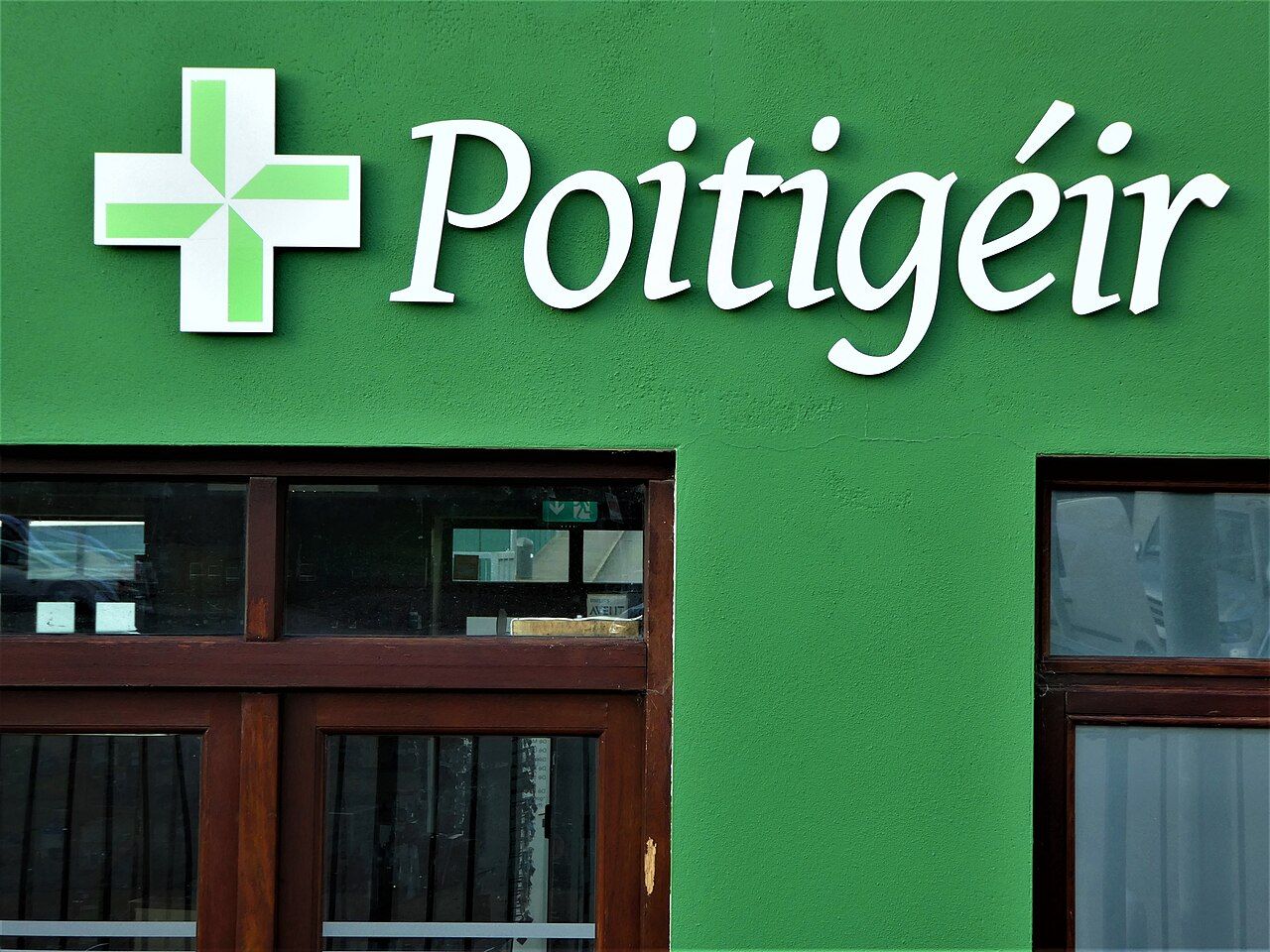
For anything less urgent, a pharmacist is often the quickest place to start. Pharmacies across Europe are usually marked with a green cross and can advise on minor illnesses, tell you whether you need a doctor and point you towards a state surgery or hospital. The guide to staying well abroad covers some of the everyday problems that send travellers to a pharmacy.
When you arrive at a doctor's or hospital, show your card and passport or identity document. Ask whether the doctor works within the state system, and keep copies of every form, bill and receipt. If you have an existing condition, carry a list of your medicines and a letter from your doctor; the guide to declaring medical conditions explains why that helps.
A short checklist for Europe
- Check that everyone travelling has a valid card in their own name, and note the expiry dates.
- Read the current official guidance for each country you are visiting.
- Arrange travel insurance as well, and declare any medical conditions.
- Pack the cards with your passports, and photograph both sides of each card.
- Save the issuing service's contact details in case a card is lost.
- Carry a way to pay, in case you need to pay a share of the cost up front.
Used well, a health card makes care in Europe simpler and often cheaper. Treated as a replacement for insurance, it can leave large gaps. Knowing which is which, before you go, is most of the job.
Pictures: Mucklagh (CC BY-SA 4.0); Mucklagh (CC BY-SA 4.0).