

Standing by an empty carousel while everyone else wheels their cases away is a familiar travel low point. The good news is that most delayed bags are traced and delivered within a short time. The less good news is that if you leave the airport without reporting the problem, putting things right can become much harder.
This guide explains the usual steps in general terms. Airlines have their own procedures, and international rules set time limits for claims, which the airline's conditions of carriage spell out.
Before you leave the baggage hall
Do not leave the baggage reclaim area until you have reported a missing or damaged bag. Look for the airline's baggage service desk or the handling agent that acts for it. Once you pass through customs, getting back in can be difficult.
At the desk, you usually complete a report known as a Property Irregularity Report, often shortened to PIR. It records your details, your flight, a description of the bag and where it should be delivered. Make sure you:
- Get a copy of the report and its reference number.
- Note the name of the desk and how to contact it.
- Ask how tracing works and how you will be kept updated.
- Ask what the airline will cover while you wait for the bag.

Keep your bag tag receipt, usually stuck to your boarding pass or ticket. It links you to the bag and is often asked for.
Delayed bags: buying essentials
If your bag is delayed, you will probably need some essentials: toiletries, a change of clothes, a phone charger. Airlines usually reimburse reasonable costs for essential items while a bag is delayed, and some travel insurance policies pay a set amount if bags are delayed on the outward journey for longer than a period stated in the policy.
Keep every receipt, and buy only what you genuinely need. A sensible toothbrush and a plain shirt are far more likely to be repaid than a new wardrobe. Ask the airline in advance what it considers reasonable if you can.
Packing a change of clothes, basic toiletries and all your medicines in your hand luggage reduces the problem a great deal. The guide to carrying medicines across borders explains why medicines should never go in a checked bag.
Related guide Delayed and cancelled flights: your rights in general
Lost bags
If a bag has not been found after a period set by the airline, it is usually treated as lost, and you can make a claim for its value and contents. Airlines generally pay based on the value of items, taking account of their age, rather than the cost of buying new, and international rules set an upper limit on what the airline must pay.
A claim usually needs:
- The Property Irregularity Report reference.
- Your boarding pass and bag tag receipt.
- A list of the contents, with approximate ages and values.
- Receipts or other proof of ownership where you have them.
If you also claim under travel insurance, the insurer will usually want the same evidence plus the airline's response. Many policies expect you to claim from the airline first and deduct anything the airline pays. Valuables packed in checked luggage are often excluded, which is one more reason to carry them in hand luggage.
Damaged bags and contents
If a bag arrives damaged, for example with a broken handle, a torn side or a crushed wheel, report it at the desk before you leave, and photograph the damage there. Check the contents as soon as you can. If something inside is damaged, report that promptly too.
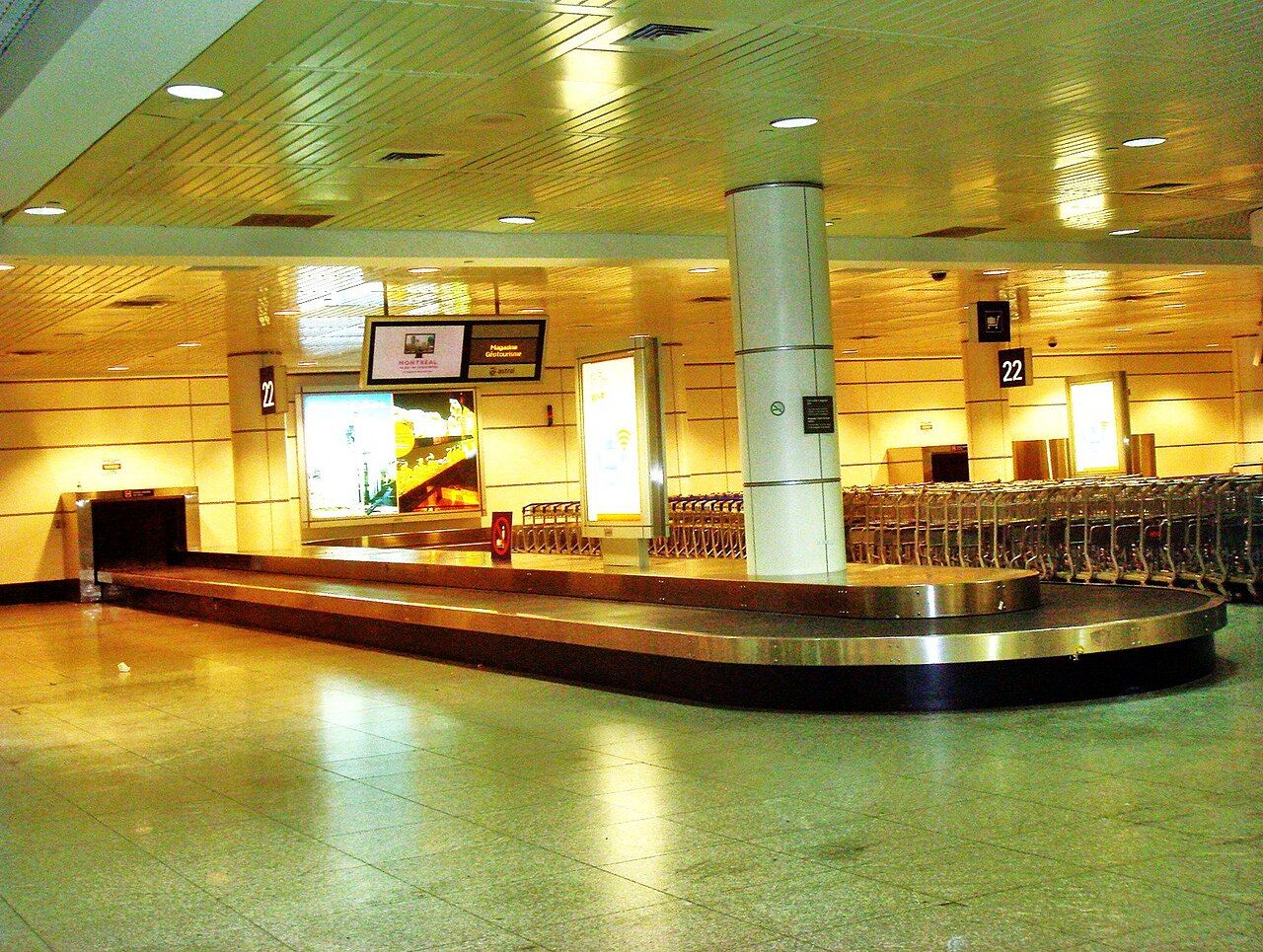
Airlines usually accept that some wear and tear is normal and may not pay for scuffs or small marks. Fragile items in checked luggage are often excluded. Keep the damaged bag until the claim is settled, since you may be asked to show it.
Time limits and keeping records
International rules set short time limits for written claims to airlines for damaged bags and for delayed bags, measured from the day you received the bag. There are also limits for claims about lost bags. The exact periods are set out in the airline's conditions of carriage, and they are shorter than many people expect. Make your written claim as soon as you can, and keep copies of everything you send.
Travel insurance policies have their own time limits for claims too. Read your policy document and note them.
If the delay happened during a wider disruption, such as a cancelled flight, the guide to delayed and cancelled flights explains the separate rights that may apply.
Reducing the chances before you fly
- Put your name and a contact method on a tag outside the bag and on a card inside it.
- Remove old bag tags so the bag is not routed by mistake.
- Photograph your bag, and the main contents, before you leave.
- Pack valuables, documents, medicines and electronics in hand luggage.
- Allow enough time between connecting flights for bags to transfer.
- Pick something distinctive about the bag, a strap or a ribbon, so it is easy to spot and less likely to be taken by mistake.
The guide to what travel insurance usually covers explains how baggage sections in policies usually work. With a few photos on your phone and the report safely in hand, a missing bag is an inconvenience rather than a loss.
Pictures: David Shankbone (CC BY 3.0); Chainwit (CC BY-SA 4.0); Jiaqian AirplaneFan (CC BY 3.0).