
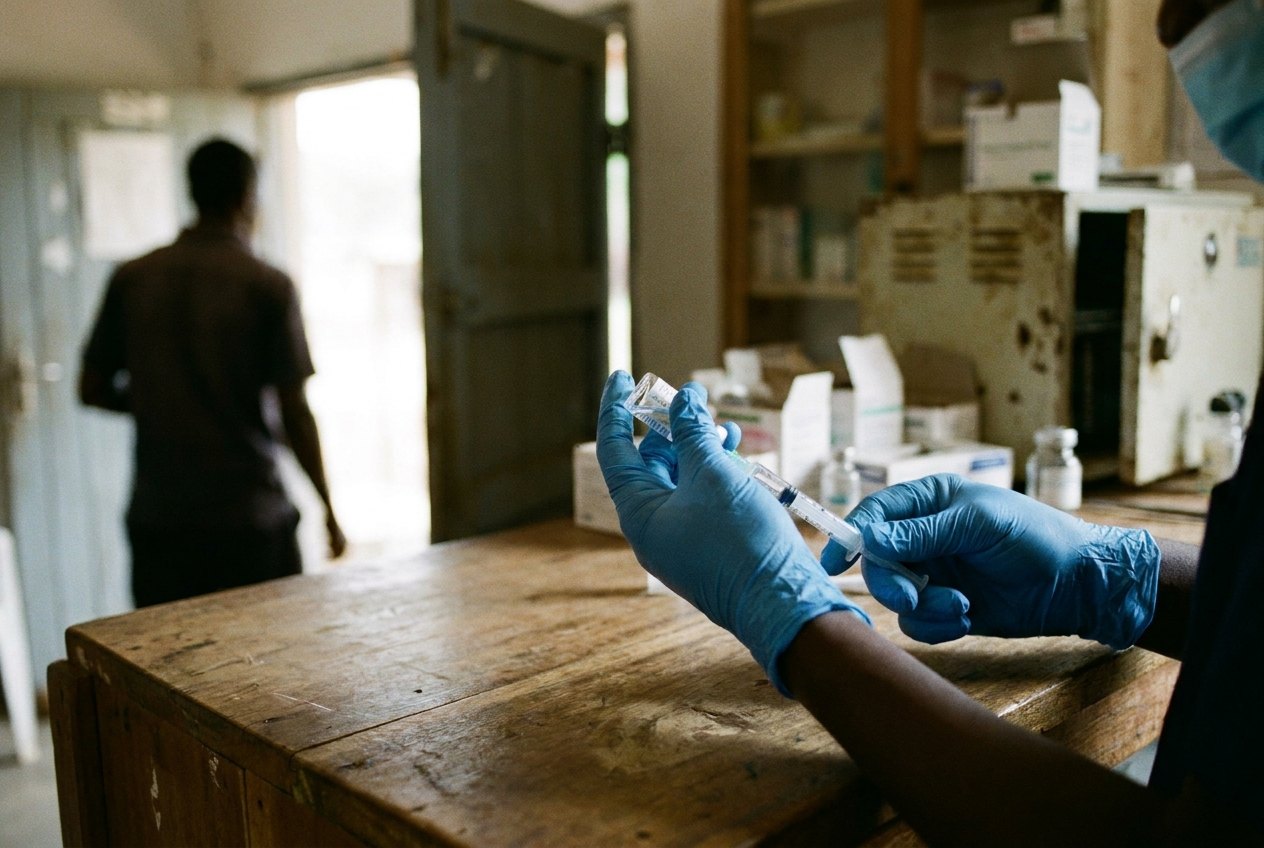
Vaccines and malaria prevention can seem like a list to tick off. In reality they are a set of decisions that depend on your destination, the time of year, how long you are staying, the kind of travel you are doing, and your own health. That is why the most important step is not reading about vaccines but speaking to someone qualified to advise you.
This guide explains how that process usually works, in general terms. It is not medical advice. A GP practice nurse, a pharmacist offering travel health services, or a travel clinic is the right place for advice about your own trip.
When to start
A common rule of thumb is to seek travel health advice around six to eight weeks before you leave. Some vaccines need more than one dose spread over several weeks, and some take time after the final dose to give their best protection. Malaria tablets often need to be started before you arrive.
A late appointment is still worth having. Even with only a few days to go, a professional can often give some vaccines, prescribe malaria prevention and talk through how to reduce other risks. Do not skip it because time is short.
If you have an ongoing health condition, are pregnant or planning a pregnancy, or have a weakened immune system, mention it when you book. It may affect which vaccines are suitable and how far ahead you should plan.
What happens at the appointment
A travel health appointment usually starts with questions. Expect to be asked about:
- Every country and region you will visit, including stopovers.
- Dates, length of stay and the season.
- The kind of trip: city hotels, rural villages, trekking, volunteering, visiting family.
- Your medical history, medicines and allergies.
- Vaccines you have already had.
Bring your vaccination record if you have one, and your itinerary. The professional then weighs up the risks and recommends what, if anything, you need. Some vaccines are available free through national health services and some are charged privately; the person advising you can explain which applies.
Routine and travel vaccines
Travel is a good prompt to make sure routine vaccines, the ones given in childhood or adulthood at home, are up to date. Diseases that are uncommon in your home country may circulate more widely elsewhere.
Related guide Food, water and heat: staying well abroad
Beyond those, travel vaccines depend on destination and activity. Commonly discussed examples include hepatitis A, typhoid, hepatitis B, rabies, Japanese encephalitis, tick-borne encephalitis and cholera, among others. Not every traveller needs any of them, and some are only recommended for longer stays or particular activities. That is a judgement for the professional advising you, not for a list online.
Vaccines do not protect against everything. Many illnesses travellers pick up come from food, water and insects, so sensible habits matter as much as injections; the guide to food, water and heat covers some of them.
Malaria prevention
Malaria is spread by mosquito bites in parts of Africa, Asia, Central and South America and some other regions. It can become serious quickly, and there is no vaccine that suits most travellers in the way other travel vaccines do, so prevention depends on two things together.
The first is avoiding bites: insect repellent, long sleeves and trousers in the evening, and sleeping under a treated net or in screened or air-conditioned rooms where advised. The second is antimalarial medicine, where recommended. There are several types, taken on different schedules, and the right one depends on where you are going and on your health. Take it exactly as prescribed, including the part of the course after you return home.
Any fever during or after a trip to a malaria area needs prompt medical attention, even if you took tablets. Tell the doctor where you have been.
Yellow fever and certificates
Yellow fever is found in parts of Africa and South America. Some countries require proof of yellow fever vaccination for entry, either for all travellers or for those arriving from countries where the disease is present. Proof usually takes the form of an International Certificate of Vaccination or Prophylaxis, completed by a designated yellow fever vaccination centre.
Entry requirements can depend on your route, including transit stops. Keep the certificate with your passport. The guide to travel documents explains how to keep copies of papers like this safe.
Yellow fever vaccine is not suitable for everyone. If a professional decides you should not have it, they may provide a letter of exemption, but whether a country accepts it is up to that country.
Medicines, insurance and after you return
If you are prescribed malaria tablets or other medicines for the trip, pack them in hand luggage in their original packaging, and see the guide to carrying medicines across borders. Mention any new medicines to your travel insurer if your policy asks about them.
Some illnesses appear after you get home. If you feel unwell in the weeks after travel, especially with a fever, see a doctor and mention your trip. Note the dates of any vaccines you receive in your record, since some give protection for many years and you will not need them again.
Planning your health takes a single appointment and some patience. It is one of the simplest parts of preparing for a long trip, and one of the most worthwhile. Book it as soon as your route is settled.