
When people picture health problems abroad, they often imagine rare tropical diseases. The illnesses that actually spoil most trips are far more familiar. Upset stomachs, sunburn, dehydration and heat exhaustion account for a large share of the days travellers spend unwell, and most of them can be reduced with simple habits.
This guide sets out those habits in general terms. It is not medical advice. If you have a health condition, are pregnant, or are travelling with babies, young children or older relatives, ask a doctor, pharmacist or travel clinic what applies to you.
Water: knowing what is safe to drink
Tap water is safe to drink in many countries and not in others. Even where it is treated, the pipes in older buildings can be a problem. Before you go, find out whether tap water at your destination is generally considered safe, and if in doubt, assume it is not.
Where tap water is not safe to drink:
- Use sealed bottled water, or water that has been boiled, filtered or treated.
- Brush your teeth with safe water too.
- Think about ice, which is often made from tap water.
- Take care with salads and fruit washed in tap water; fruit you peel yourself is usually safer.
A refillable bottle with a filter, or water purification tablets, can cut down on plastic. Ask a pharmacist or outdoor specialist which kind suits the places you are going.
Eating well, including street food
Food is one of the great pleasures of travel, and street food is often excellent. The aim is not to avoid it but to choose sensibly. A busy stall where food is cooked fresh and served hot is often a safer bet than a quiet restaurant where dishes sit under a heat lamp.
Some practical habits help wherever you eat:
- Choose food that is freshly cooked and served steaming hot.
- Be cautious with food left at room temperature, buffets that have sat out, and undercooked meat, fish or eggs.
- Be careful with unpasteurised milk and dairy products.
- Wash your hands before eating, or use hand sanitiser when there is no sink.
The saying "boil it, cook it, peel it or forget it" is a fair summary for places where hygiene standards are uncertain.
Travellers' diarrhoea: what usually helps
Travellers' diarrhoea is the commonest illness among people visiting countries with lower hygiene standards. It is usually caused by bacteria in food or water and often settles within a few days on its own.
The main risk is dehydration. Drink plenty of safe fluids, little and often. Oral rehydration solutions, sold as sachets to mix with safe water, replace lost salts and sugar and are especially useful for children and older people. A pharmacist can advise on these and on any other treatment that suits you.
Related guide Vaccinations, malaria tablets and the travel clinic
See a doctor promptly if you notice any of the following:
- Blood in your stools, or a high temperature.
- Symptoms that do not improve after a few days, or that are severe.
- Signs of dehydration: very little urine, dizziness, confusion or a dry mouth that does not improve.
- Any of these in a baby, young child, older person or someone with a long-term condition, who can become unwell more quickly.
If you have been in a malaria area, any fever needs medical attention; the guide to vaccinations and the travel clinic explains why.
Heat, sun and staying cool
Hot weather is easy to underestimate when you are on holiday. Heat exhaustion can develop over a day or two of sightseeing, and in some cases it can progress to heatstroke, which is a medical emergency.
Some habits that help in the heat:
- Drink regularly through the day, before you feel thirsty.
- Plan walking and sightseeing for the cooler early morning and evening.
- Rest in the shade in the middle of the day.
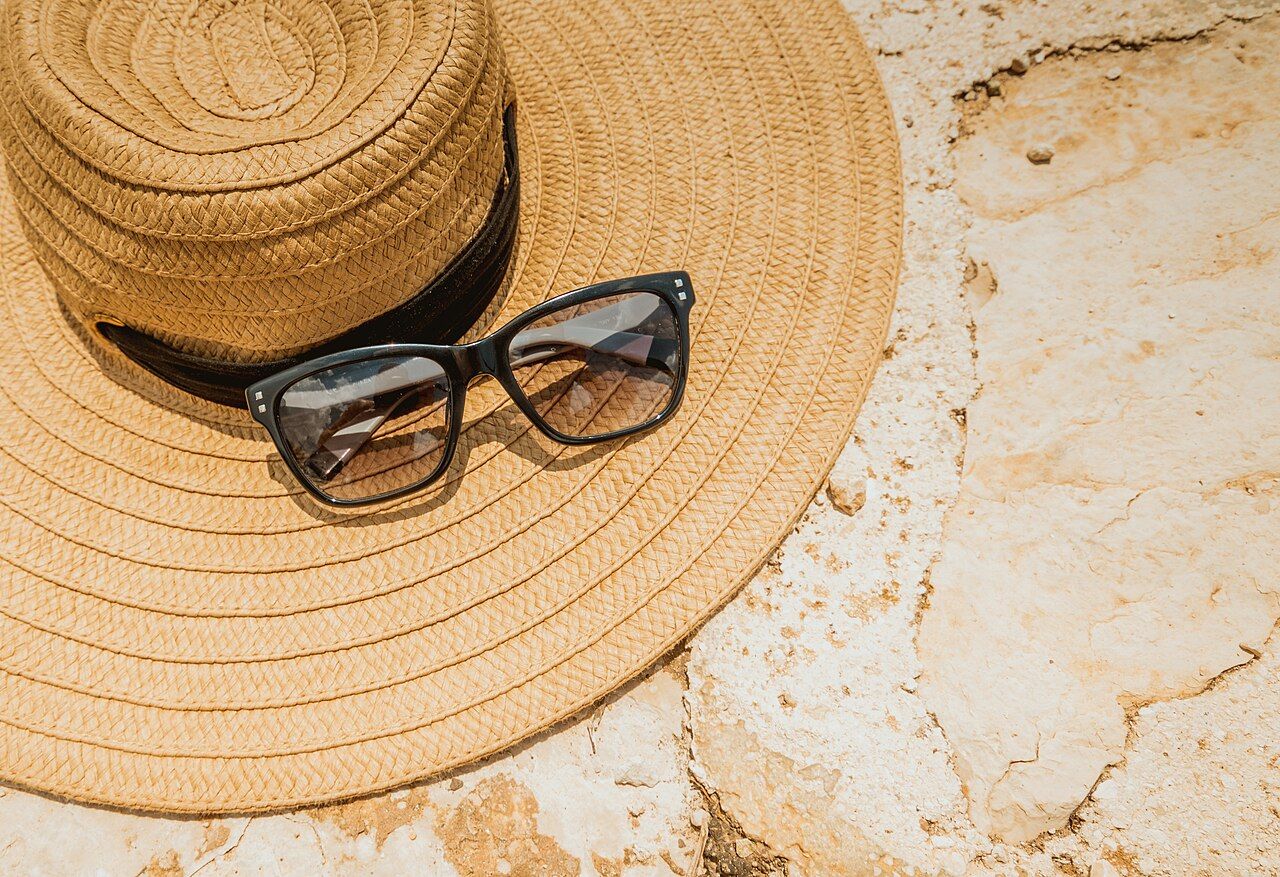
- Wear a hat, loose light clothing and sunglasses, and use a high-protection sunscreen, reapplying it after swimming.
- Take care with alcohol, which adds to dehydration.
Signs of heat exhaustion can include headache, dizziness, heavy sweating, cramps, nausea and feeling very tired. Move somewhere cool, lie down, drink water and cool the skin. If symptoms do not improve quickly, or the person becomes confused, stops sweating or loses consciousness, call the emergency services. The guide to a medical emergency abroad explains what to do next.
Altitude
Places at high altitude, from mountain cities to trekking routes, can cause altitude sickness. It can affect anyone, regardless of fitness, and symptoms such as headache, nausea and breathlessness may appear within hours of arrival.
Ascending gradually, resting on arrival and drinking enough all help. Symptoms that worsen are a signal to stop climbing and, if they continue, to descend. Some forms of altitude sickness are serious. Speak to a doctor or travel clinic before a high-altitude trip, particularly if you have a heart or lung condition, and check whether your travel insurance has altitude limits; see the guide to adventure activities.
A small health kit
A compact kit saves a search for a pharmacy at an awkward hour. Many travellers carry:
- Sunscreen, after-sun lotion and lip balm with sun protection.
- Oral rehydration sachets.
- Plasters, antiseptic wipes and blister dressings.
- Insect repellent.
- Any regular medicines, with a list of their names.
Ask a pharmacist what else suits your trip, your destination and your health. Then enjoy the food, the warmth and the views, with a bottle of safe water close at hand.
Pictures: Jernej Furman from Slovenia (CC BY 2.0).