
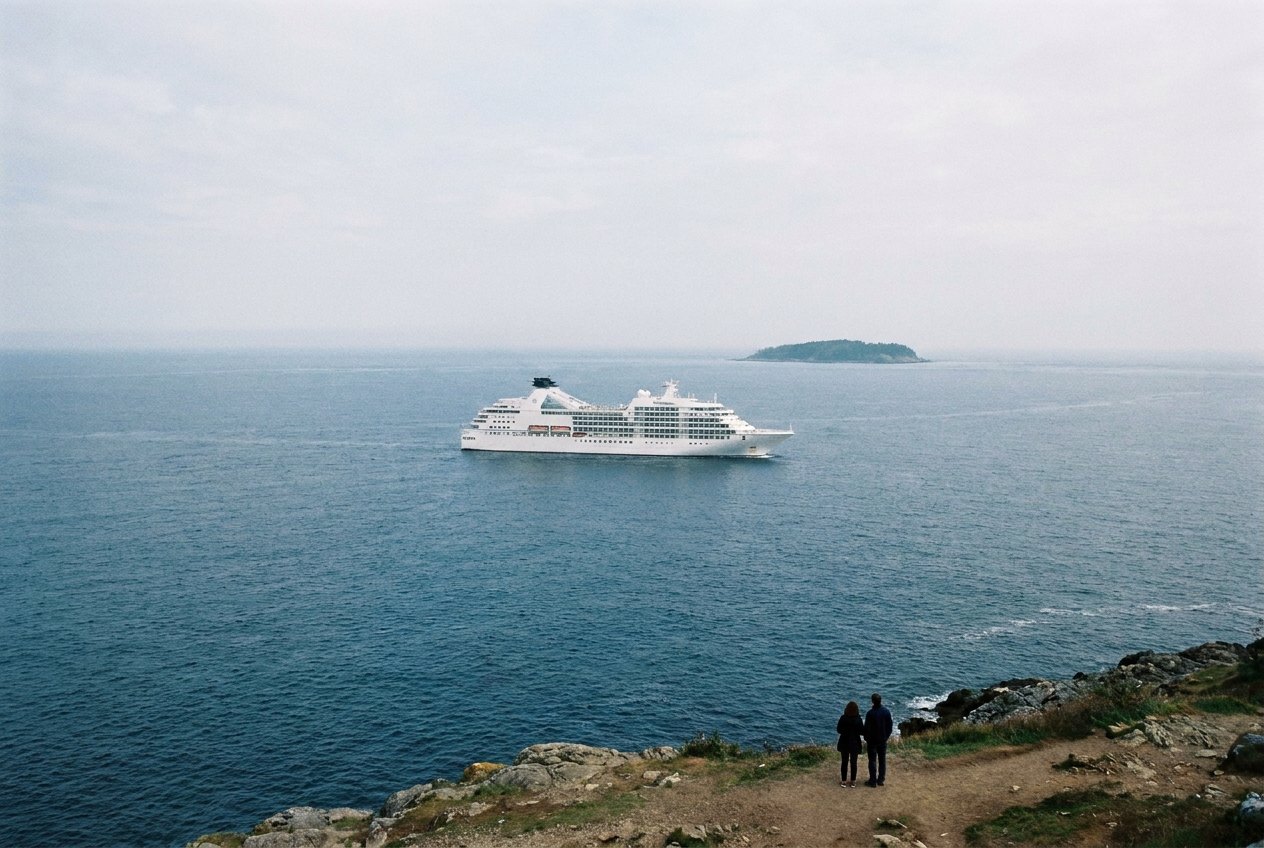
A cruise feels like the most relaxed kind of trip: one cabin, no packing between stops, meals arranged. Remote travel, whether a safari camp, an island with one clinic or a trek far from a road, feels like the opposite. Both share one important fact. If you become seriously ill or injured, the nearest suitable hospital may be a long way off, and getting you there can be slow and very expensive.
This guide explains in general how that affects travel cover. It is not advice about any product, and policies vary, so read your own policy document and ask the provider if anything is unclear.
Why cruises are often treated separately
Many standard travel policies either exclude cruises or include them only with extra cover. The reasons are practical. Treatment at sea happens in an onboard medical centre that is usually run as a private service. Evacuation from a ship can involve a helicopter or a transfer at the next port, and then a flight home. The ship may also leave a port without a passenger who is in hospital ashore.
Cruise cover, where offered, may include things beyond medical costs, such as missed port departures, cabin confinement on medical advice, or unused excursions. What is included varies a lot, so look for the word "cruise" in the policy and read what follows it.
The guide to what travel insurance usually covers explains the standard sections that cruise cover builds on.
The onboard medical centre
Most cruise ships have a medical centre with a doctor and nurses who can treat common illnesses and stabilise more serious cases. Their equipment and range of services are limited compared with a hospital on land.
A few general points are worth knowing:
- Onboard medical care is usually charged, often to your cabin account, and can be costly.
- State health cards such as the GHIC or EHIC generally do not apply on a ship, because the medical centre is not part of a state healthcare system.
- Keep every bill and report, since your insurer will usually ask for them.
If you have a health condition, tell the cruise line if they ask, declare it to your insurer, and speak to your doctor about whether the itinerary suits you. The guide to declaring medical conditions explains why that matters.
Evacuation from sea and remote places
If the ship's doctor decides you need hospital care that cannot wait, you may be taken ashore at the next port or, in rare cases, evacuated by helicopter or boat. From remote land destinations, evacuation can mean a light aircraft, a long road journey or a helicopter, sometimes followed by a medical flight to a larger city.
Related guide A medical emergency abroad: what to do
These costs are among the largest a traveller can face. Policies usually expect the emergency assistance team to be contacted as early as possible, because they arrange and approve evacuations and repatriation. If you are able, or someone travelling with you is, call them before agreeing to anything major. In an emergency, though, treatment comes first.
When choosing a remote destination, it helps to know roughly where the nearest hospital is and how you would get there. Your tour operator or lodge can usually tell you their emergency arrangements.
Missing the ship
A cruise keeps to a timetable. If you are late back from a shore visit, or your flight to the departure port is delayed, the ship will generally sail without you. You are then responsible for reaching the next port, and that cost can be high.
Some policies offer missed port departure cover for specific reasons, such as public transport failure or a breakdown on the way, but conditions apply. Excursions booked through the ship are often treated differently from ones you arrange yourself, since the ship usually waits for its own tours. Flying out the day before embarkation, rather than on the morning, gives you some margin if a flight is late; the guide to delayed and cancelled flights explains your general rights if that happens.
On shore days, note the time the ship expects you back on board and check whether it is given in ship's time or local time, since the two can differ. Keep the port agent's details and the ship's contact number with you, and allow a comfortable margin for traffic, queues at the gangway and slow taxis back to the quay.
Health before you sail or set off
Close quarters on a ship make stomach bugs and respiratory infections easy to pass around. Handwashing helps, and many ships have sanitiser stations for that reason. If you feel unwell on board, the crew may ask you to stay in your cabin for a time.
Remote and long-haul trips may need vaccinations or malaria prevention. A travel clinic or GP practice can advise based on your itinerary, ideally several weeks before you leave; the guide to vaccinations and the travel clinic explains how that usually works.
Pack enough of your medicines for the whole trip and some extra days, keep them in hand luggage, and carry a list of what you take.
Paperwork to sort before you leave
- Check that your policy includes cruise travel or remote destinations, and note any extra cover you added.
- Note the medical, evacuation and repatriation limits.
- Save the emergency assistance number on paper and on your phone.
- Leave copies of your itinerary and policy details with someone at home.
- Keep a way to pay for onboard care, as you may need to settle the bill before claiming.
Distance from help is part of what makes these trips special. Planning for it calmly before departure is what keeps a bad day from becoming a much worse one.